Counterintuitive scientific findings, verified and well-sourced. No clickbait. No sensationalism. Just the research.
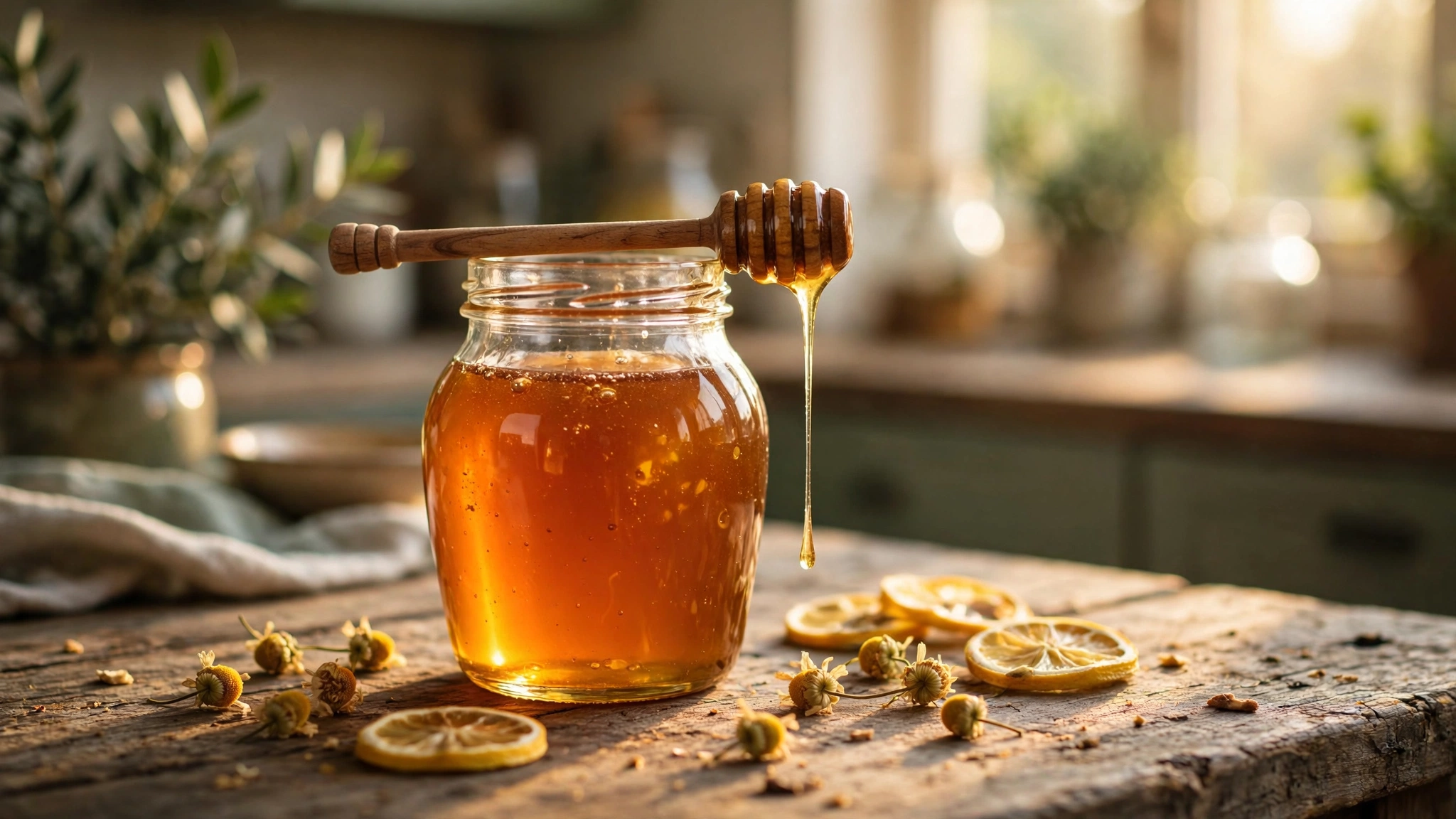
A systematic review of 14 clinical trials at Oxford University found honey reduced cough frequency by 36% and cough severity by 44% compared with usual care, including over-the-counter medications and antibiotics. The finding arrives as antibiotic overprescription for viral infections accelerates one of the world's most dangerous public health crises.

A meta-analysis of 53 studies and 166 comparisons found that students who attempt challenging problems before receiving instruction develop significantly greater conceptual understanding and transfer ability than those taught the traditional way.
A randomized trial assigned 139 adults with obesity to calorie restriction with an eight-hour eating window or calorie restriction alone. After 12 months, the fasting group lost 8.0 kg and the non-fasting group lost 6.3 kg — a difference that was not statistically significant.
A cluster randomized trial added 40 minutes of outdoor activity per school day. Over three years, myopia incidence dropped from 39.5% to 30.4%. The mechanism: retinal dopamine release triggered by bright daylight that indoor lighting can't activate.
In 1688, a Swiss physician coined "nostalgia" as a neurological disease that could kill homesick soldiers. A seven-study investigation found it actually bolsters social bonds, elevates self-regard, and generates positive affect.
A comprehensive review published in Psychological Science in the Public Interest synthesized decades of eye-movement research and concluded that there is no way to dramatically increase reading speed without proportional comprehension loss.
A repeated-measures experiment at Keele University found that participants who repeated a self-selected swear word could endure ice water for an average of 31 seconds longer than when using a neutral word. Replicated across six studies including cross-cultural validation — but habitual swearers show a diminished response.
Across 148 prospective studies spanning an average of 7.5 years, people with stronger social relationships had 50% higher odds of survival than those with weaker ties.

An analysis of 219 surveillance videos from Amsterdam, Cape Town, and Lancaster found that at least one bystander stepped in during 9 out of 10 public conflicts, with more bystanders increasing the likelihood of help.
Five studies at Cornell, Harvard, Yale, and Essex tracked strangers, workshop attendees, and college suite mates. In every sample, participants believed they made a worse impression than they actually did, and the error lingered for nine months. Third-party observers could see the warmth that participants themselves missed.


A systematic review of 97 prospective studies encompassing more than 2.88 million individuals and 270,000 deaths found that overweight adults (BMI 25–30) had 6% lower all-cause mortality than those at "normal" weight, while only severe obesity (BMI ≥ 35) carried significantly higher risk.
A landmark study tracked 506 adults tasting 523 different wines without knowing the prices. Non-experts rated expensive wines slightly lower, and a companion fMRI study showed why the price tag works: it activates the brain's pleasure center, making identical wine taste better when you think it cost more.
A meta-analysis of 24,483 human judges across 206 experiments found that people detect lies at 54% accuracy, where 50% is chance. The breakdown is worse than it sounds: humans catch only 47% of lies while correctly identifying 61% of truths. Trained professionals show no meaningful advantage.
Two farming communities with shared ancestry and nearly identical lifestyles showed a fourfold gap in childhood asthma. The difference traced to barn dust: when researchers blew Amish house dust into mice, it prevented allergic asthma through innate immune signaling. Hutterite dust did nothing.
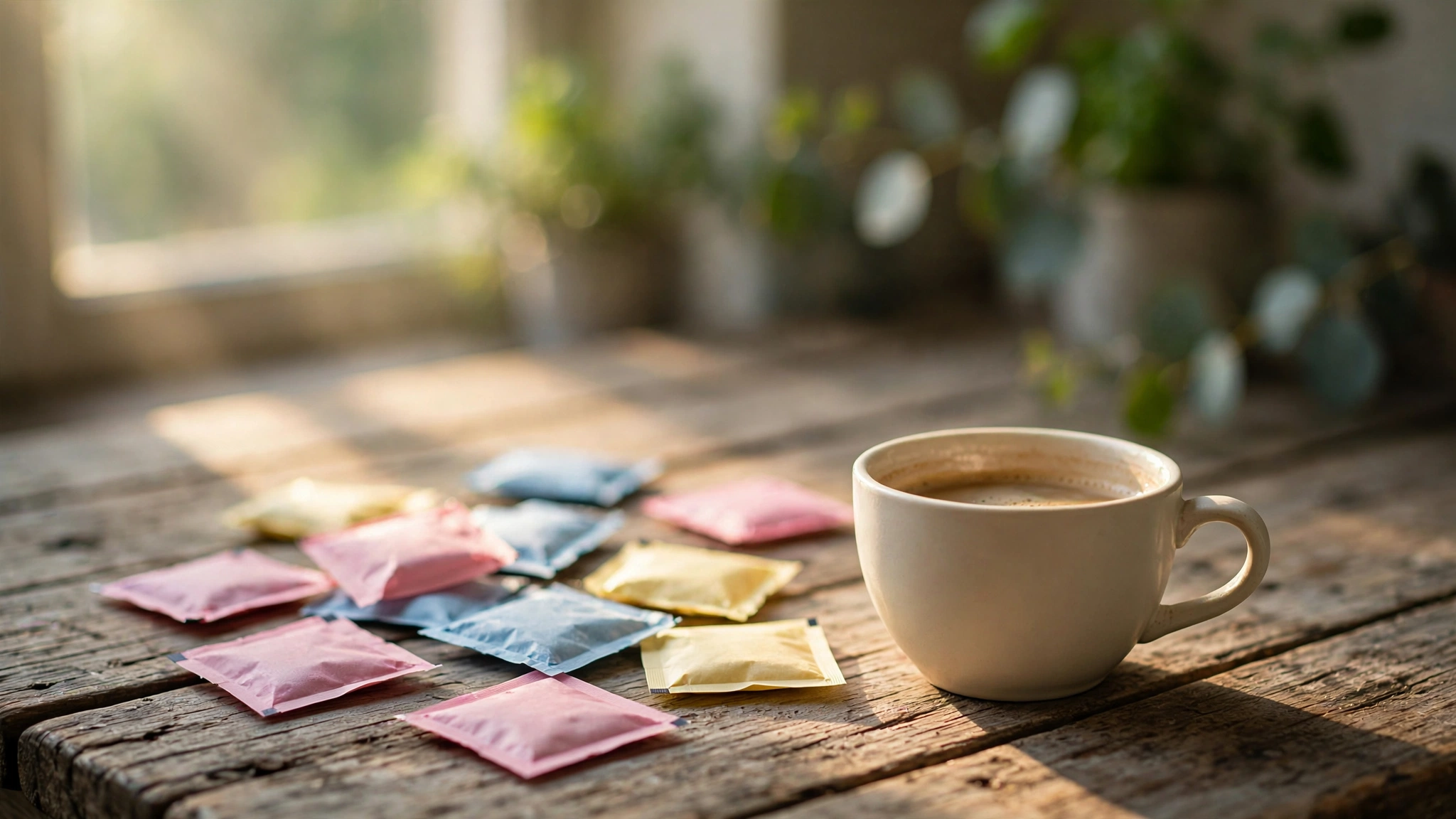
A randomized controlled trial gave 120 healthy adults daily sachets of saccharin, sucralose, aspartame, or stevia for two weeks at doses below the FDA safety limit. Saccharin and sucralose significantly impaired glycemic responses through microbiome-mediated changes confirmed by fecal transplant into germ-free mice.
A systematic review pooled four large prospective cohort studies from China, the United States, Italy, and Iran. Regular chili pepper consumers had a 12% lower risk of all-cause death, a 17% lower risk of cardiovascular death, and the protective effect held regardless of diet quality.
Researchers compared blog posts of terminally ill patients and last words of death-row inmates with the imagined writings of healthy people. The dying used fewer negative-emotion words and more positive ones than the healthy predicted, and patients' positivity increased as death drew nearer.
A dose-response study at the University of Pennsylvania restricted 48 healthy adults to four, six, or eight hours of sleep per night for 14 consecutive days. The six-hour sleepers developed the same level of cognitive impairment as subjects who hadn't slept at all for 48 hours.
Across five experiments involving over 100 rats, NIH researchers gave animals a lever for drugs and a lever for social interaction with a peer. Every time, regardless of sex, drug class, dose, or DSM-IV-based addiction score, they chose the friend.
A randomized trial trained 120 adults to suppress fearful thoughts over three days. No rebound effects occurred. Instead, suppression reduced anxiety, negative affect, and depression, with the largest benefits appearing in the most symptomatic participants.
Among low fidgeters, sitting seven-plus hours a day raised mortality risk by 30%. Among high fidgeters, the same amount of sitting carried no increased risk at all. Controlled lab experiments confirmed the mechanism: rhythmic leg movements during sitting maintain arterial blood flow and preserve endothelial function.
The largest randomized controlled trial of cold showering assigned 3,018 Dutch adults to finish their daily showers with 30, 60, or 90 seconds of cold water for 30 days. All three groups showed the same result: a 29% reduction in sick days from work. The duration didn't matter. And 91% chose to keep going.
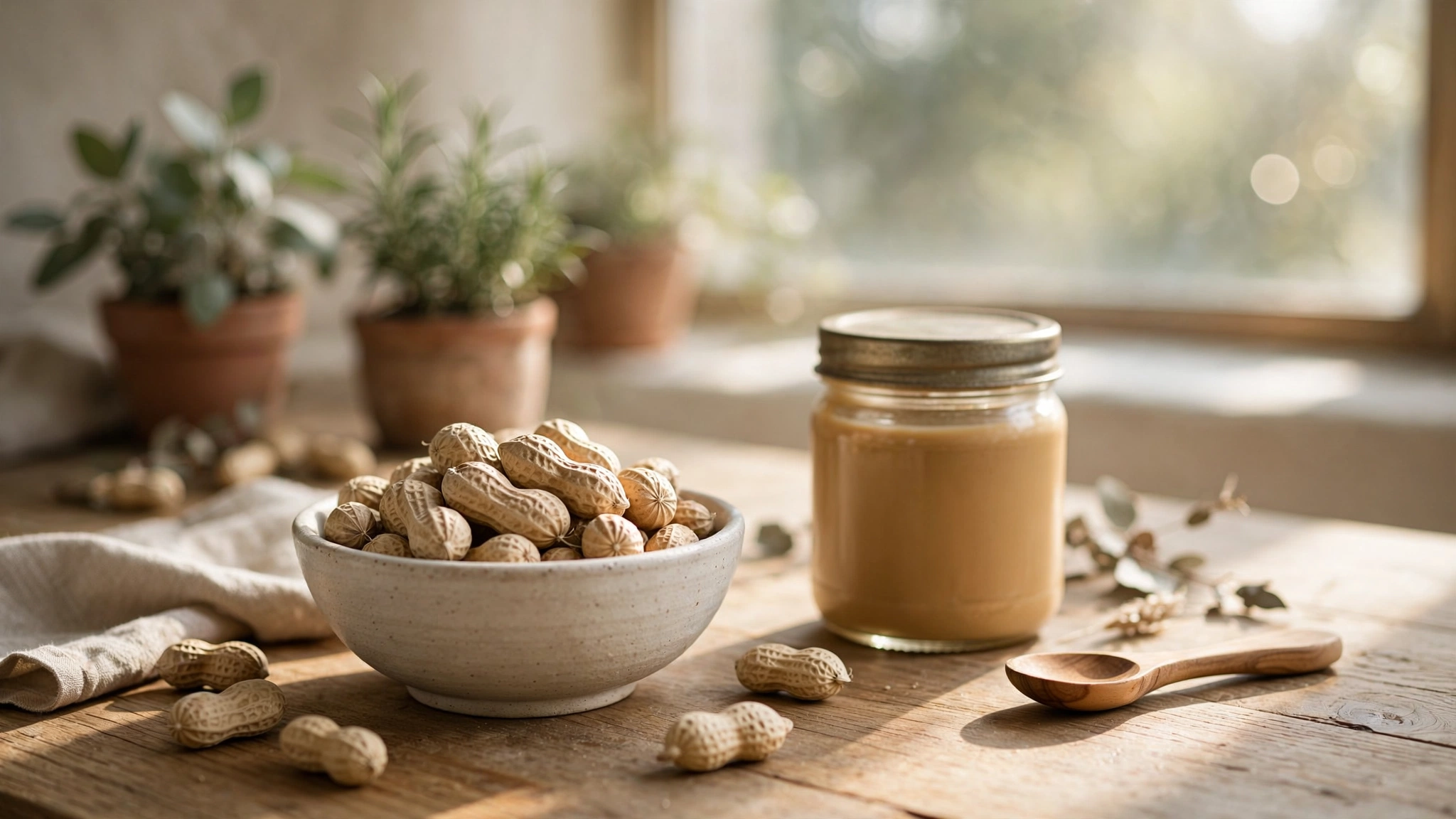
The LEAP trial randomly assigned 640 high-risk infants to consume or avoid peanuts from infancy to age 5. Peanut allergy developed in 13.7% of avoiders but only 1.9% of consumers. Follow-up to age 12 confirmed the protection lasted, forcing a complete reversal of the guidelines that had been wrong for 15 years.
The ProtecT trial randomly assigned 1,643 men with localized prostate cancer to active monitoring, surgery, or radiotherapy and tracked them for 15 years, finding no significant difference in cancer-specific survival between doing nothing and doing everything.
A preregistered meta-analysis of all experimental research on trigger warnings found zero effect on emotional reactions (d = 0.02), zero effect on avoidance, and zero effect on comprehension. Their single reliable effect: a small-to-medium increase in anticipatory anxiety.
Nine field experiments randomly assigned over 800 Chicago commuters to connect with a stranger, sit in solitude, or commute normally. Those who talked reported the most positive experience. Every commuter predicted the opposite.
A randomized field experiment offered potential blood donors SEK 50 (~$7). Among women, willingness to donate dropped from 52% to 30%. Allowing them to redirect the payment to charity restored the rate to 53%.
A meta-analysis of 17 cohort studies found that mortality benefits from walking begin at roughly 4,000 steps per day, with each additional 1,000 steps reducing all-cause mortality by 15%. The famous 10,000-step target originated as a Japanese pedometer brand name, not a scientific recommendation.
Using a novel statistical method that tested every plausible analytic path through three massive datasets, Oxford researchers found that digital technology use accounts for at most 0.4% of the variation in adolescent well-being, an effect so small that potatoes and corrective lenses have comparable or larger negative associations.
The belief that learning piano or violin boosts children's IQ, reading, and math skills has driven school policy and parenting decisions for three decades. A comprehensive meta-analysis found that when studies use proper controls, music training produces no cognitive or academic benefit whatsoever.
The idea that self-control is a finite resource, backed by 600+ published studies and taught in every psychology textbook, collapsed when 59 laboratories ran coordinated replications. The observed effect was an order of magnitude smaller than the original meta-analytic estimate.
A nationally representative study found that patients rating their healthcare highest had greater hospital admissions, 9% higher drug expenditures, and 26% increased mortality risk. A 2019 replication with nearly 93,000 participants found an even stronger effect.
A national analysis of Medicare hospital admissions found that 30-day mortality rose steadily with physician age, from 10.8% for doctors under 40 to 12.1% for those over 60. The effect disappeared for high-volume physicians.
A systematic review of 25 studies across six countries found that recreational runners develop knee and hip osteoarthritis at barely one-third the rate of sedentary people. Competitive athletes do face higher risk. But for the tens of millions who jog a few times a week, the couch appears to be the bigger threat to their joints.
Acetaminophen is the most widely used drug ingredient in the United States. A pair of randomized controlled trials at Ohio State found it doesn't just numb your own pain. It numbs your response to everyone else's.
For two decades, organizations mandated that survivors of disasters, accidents, and violence sit down with a counselor within hours and relive what happened. Fifteen randomized trials found no benefit. Two found it caused harm.
Sixty randomized controlled trials. 4,554 participants. Patients told the pills were sugar pills. They improved anyway — especially the sickest ones.
The Hospital Readmissions Reduction Program fined hospitals nearly $2 billion for readmitting patients within 30 days. A JAMA study of 8.3 million Medicare hospitalizations found the policy was associated with roughly 10,000 excess deaths from heart failure and pneumonia.
A randomized controlled trial of 21 strength-trained men found that 10 minutes of cold water immersion after every workout reduced muscle mass gains by 67%. A 2021 meta-analysis of eight studies confirmed the damage.
An original analysis of 345 best-of-7 series finds Game 7s occur 15% less often than probability models predict. The conspiracy theory relies on a decade-old mathematical error.
A 2024 meta-analysis of 10,189 participants found that venting anger has an effect size of essentially zero. Deep breathing and meditation cut anger by a medium-large margin.
Across 26 articles, more than 400 experiments, and over 5 million research subjects, a single structural failure keeps disproved beliefs alive.
A Finnish RCT of 186 workers found that those told to stay in bed recovered slowest. A Cochrane review confirmed it.
A study of 33 surgical residents found that those who played video games more than three hours a week committed 37% fewer errors and completed laparoscopic procedures 27% faster than their non-gaming colleagues.
An analysis of S&P 500 firms found no improvement in profits or stock value after return-to-office mandates. A separate study tracking 3 million workers found the best employees left first. A randomized trial found hybrid work cut attrition by a third with zero productivity loss.
A meta-analysis of 107 cohort studies tracking 4.8 million people found that the apparent longevity benefit of one or two drinks a day vanishes entirely once you stop counting sick former drinkers as "abstainers."
A special issue of the American Economic Journal brought together six independent randomized controlled trials spanning India, Morocco, Ethiopia, Bosnia-Herzegovina, Mongolia, and Mexico. The combined evidence: microcredit modestly increases business activity but does not raise incomes, reduce poverty, or empower women.
A Monash University meta-analysis of 13 randomized controlled trials found no evidence that breakfast aids weight loss. Breakfast eaters consumed 260 extra calories per day and weighed slightly more than those who skipped it entirely.
The Finnish FIDELITY trial randomized 146 patients with degenerative meniscal tears to arthroscopic partial meniscectomy or sham surgery. At 12 months, outcomes were identical. At 10 years, the surgery group had more osteoarthritis and three times the rate of knee replacement.
A JAMA meta-analysis pooling 23 double-blind, placebo-controlled experiments found that sugar has no measurable effect on children's behavior or cognitive performance. The "sugar high" persists as a cultural belief driven almost entirely by parental expectation.
A randomized trial of 1,440 households in rural Kenya found that unconditional cash transfers raised consumption by 22%, increased assets by 61%, and improved psychological well-being, while spending on alcohol and tobacco did not increase.
A landmark review examined 50 years of learning-styles research and found virtually no evidence that matching instruction to a student's preferred style improves outcomes.
A landmark review of 10 study techniques across hundreds of experiments rated highlighting, rereading, and summarization as low utility. Only practice testing and distributed practice earned the highest rating.
A meta-analysis of 66 studies spanning 45 years found that acute sleep deprivation produces rapid antidepressant effects in roughly half of depressed patients.
A study of 118 burn patients found nighttime injuries took 28 days to heal versus 17 for daytime burns, driven by circadian rhythms in individual skin cells.
A Cochrane systematic review of 946 juveniles across nine experiments found that prison-visit deterrence programs raised the odds of reoffending by 68%.
A Drexel University review of 196 experiments across 12 studies found that potted plants remove VOCs so slowly that you'd need 10 to 1,000 plants per square meter to match basic ventilation.
A natural experiment exploiting Indiana's 2006 statewide adoption of DST found it increased residential electricity consumption by 1–4%, costing households $9 million per year.
The most comprehensive meta-analysis of financial education research found that teaching people about compound interest, budgeting, and debt management accounts for essentially none of their actual financial decisions.
Two Fortune 500 companies outfitted employees with sociometric sensors before and after converting cubicles to open plans. Face-to-face conversation plummeted while email and instant messaging surged.
A Cochrane review of 78 trials and 296,707 participants found that beta-carotene and vitamin E supplements increase all-cause mortality.
Experiments at the University of Waterloo found that positive self-statements backfired for those who needed them most.
A meta-analysis of 20 studies found that brainstorming groups generate fewer ideas than the same number of people working independently.
A systematic review of 25 RCTs found stretching had no injury prevention benefit, while strength training cut risk by over a third.
A study of 332 adults across five populations found total energy expenditure plateaus above moderate activity. Your body compensates.
Consumers were 10× more likely to buy jam when offered 6 options instead of 24. More choice led to worse decisions and lower satisfaction.
A pre-registered Oxford study of 1,004 adolescents using objective violence ratings found zero relationship with aggressive behavior.
A double-blind, randomized trial of 5,246 men at high cardiovascular risk found that testosterone-replacement therapy did not increase heart attacks, strokes, or cardiovascular death. The trial was ordered by the FDA after two flawed observational studies triggered a warning that suppressed prescribing for nearly a decade.
The first global assessment of urban vegetation's thermal effects reveals a paradox: in 22% of the world's megacities, parks and green spaces absorb more solar heat than they can release through evaporation. During extreme heatwaves, grasslands fail to cool 71% of cities.
A 2021 meta-analysis of 38 experiments found that people reasoning in a foreign language become significantly more willing to sacrifice one life to save five. The effect isn't about thinking harder. It's about feeling less.
Six original experiments at the University of Chicago found that people shed the framing effect and loss aversion when they switch to a foreign language. A 2021 meta-analysis of 47 experiments confirmed: thinking in a non-native tongue makes you more rational, not less.
A citywide cluster randomized trial in Philadelphia assigned 541 vacant lots to greening, trash cleanup, or no intervention. In neighborhoods below the poverty line, gun violence fell 29%, burglary fell 22%, and residents felt 58% safer going outside. The cost: about $1,600 per lot.